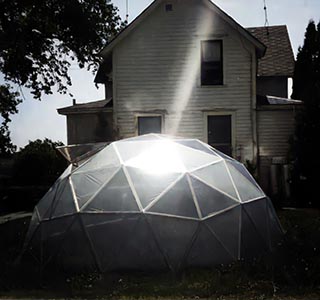
Dome Sweet Dome

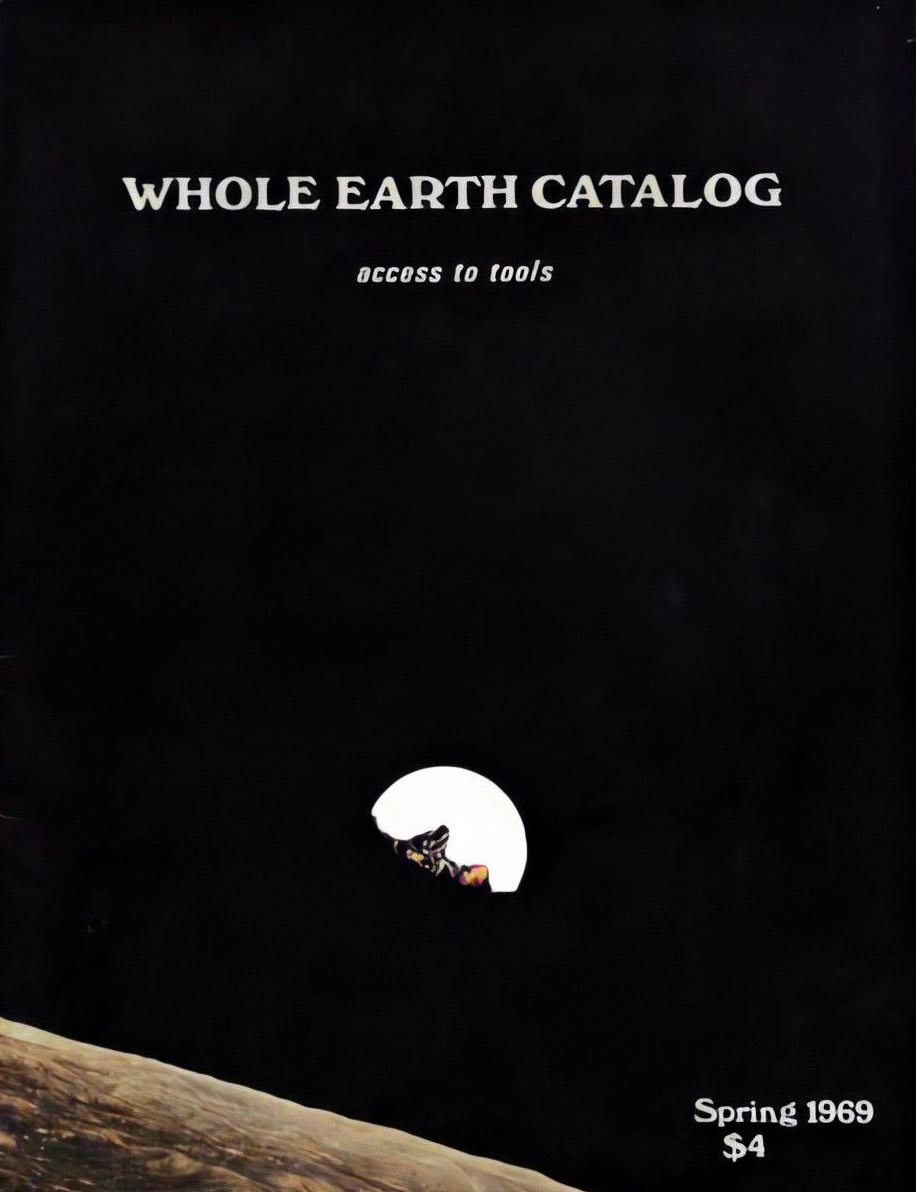
I first began researching geodesic domes when I came across the Whole Earth Catalog just after graduating from Kennedy High School in 1969.
The Whole Earth Catalog was a groundbreaking counterculture publication that had a profound impact on American society and culture.
Its primary function was to serve as an "evaluation and access device" for its readers. Its purpose was to provide access to tools and information for self-education, resources for shaping one's environment and inspiration for independent living. It became a bible for the late 1960s counterculture, embodying ideals of self-sufficiency, sustainability, and alternative lifestyles.
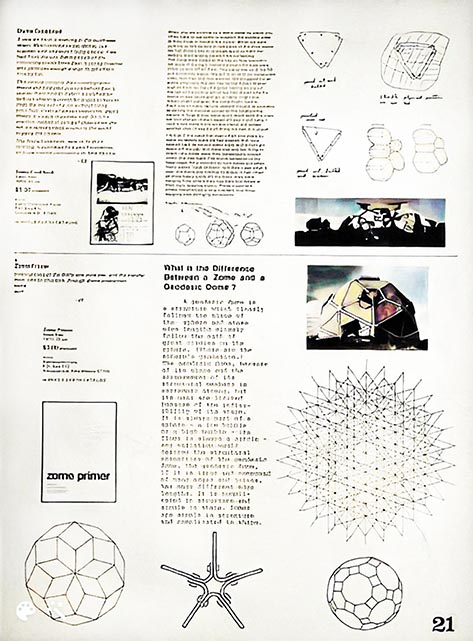
The Catalog featured a diverse array of specific topics and products, including, geodesic domes and alternative housing designs,oOrganic farming and gardening techniques, solar energy and other renewable power sources, woodworking and metalworking tools, astronomy and space exploration, computer technology and early software, alternative education resources, philosophical and spiritual texts, and environmental conservation. The Catalog's content was curated to provide "access to tools" - both physical tools and knowledge-based resources - that would empower readers to "conduct his own education, find his own inspiration, shape his own environment, and share his adventure with whoever is interested".
|
That sounds a lot like today's Internet! In fact, Steve Jobs famously described it as "Google in paperback form, 35 years before Google came along".
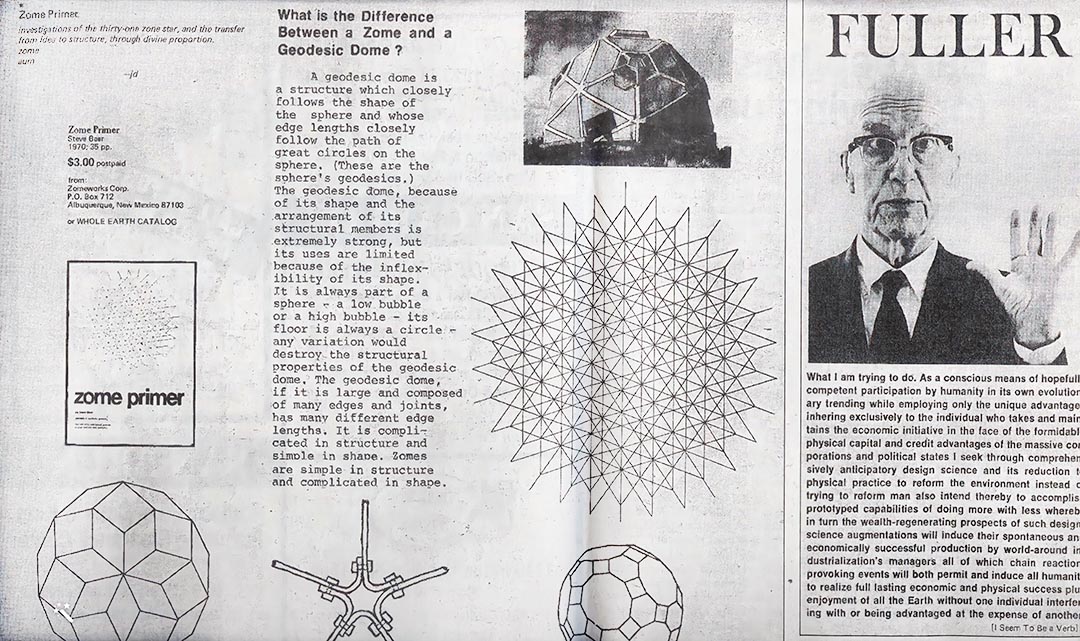
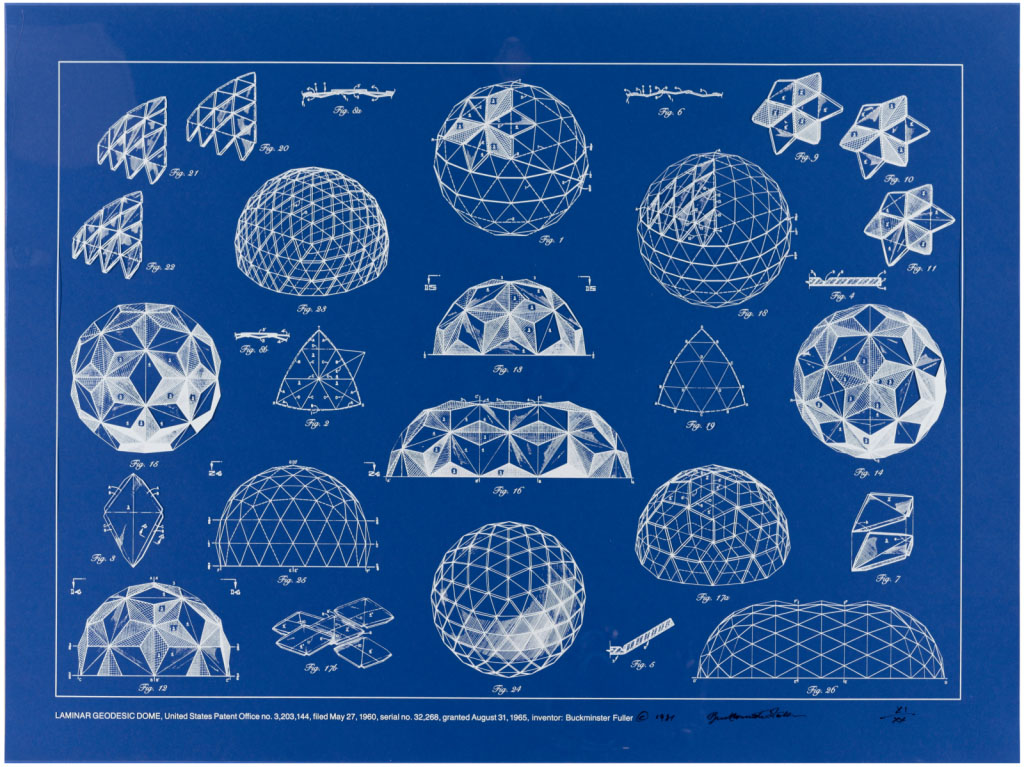
The geodesic dome was invented by R. Buckminster Fuller.
R. Buckminster Fuller (1895-1983) was an American architect, engineer, inventor, and futurist best known for popularizing the geodesic dome. He was a visionary thinker who sought to solve global problems through innovative design and technology. Fuller's most famous invention, patented in 1954, was a spherical structure composed of interconnected triangles. The geodesic dome was revolutionary because it could cover large areas with minimal materials, it was lightweight yet extremely strong, and it could be easily assembled and transported. |
|
|
|
I wasn't fully committed to the "Age of Aquarius" hippie lifestyle, but the science, technology, philosophy and environmental aspects of that culture certainly appealed to me and the geodesic dome models integrated all of that into one basic design. And I wanted one, even if all I could afford was a small structure built with eight foot 1" x 2" slats, clear plastic sheeting and a staple gun.
|
|
|
PAGE 2
|