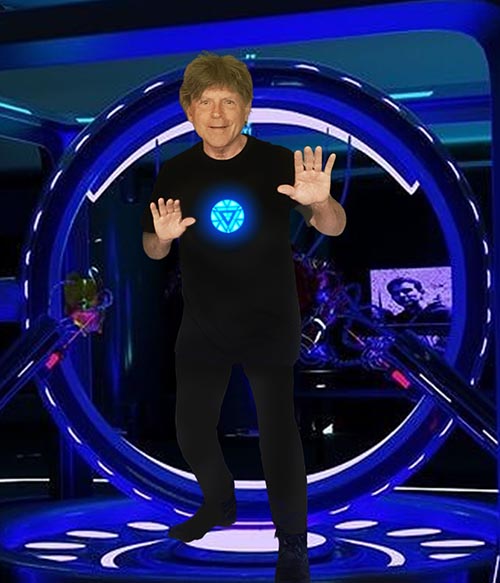
I Am Iron Man
It had happened two or three times over the past ten years, usually when I was under a lot of stress or dehydrated. There were stretches during the summer when I'd do up to four shows a day — four one-hour shows, forty-five minutes each to set up and break down my gear, plus another four hours driving around the Twin Cities in rush-hour summer construction traffic. By the end of a day like that, I'd be mentally and physically drained. Every once in a while, I'd feel a little dizzy, and then I'd start to sweat. I could feel it coming on, but thirty seconds later I'd end up on the floor. I knew something was wrong the moment I entered that strange dream state — a bit like walking through thick fog. It felt timeless to me, though the episodes only ever lasted a couple of minutes. I'd wake up with a confused look on my face, only to see my wife staring back at me, wide-eyed and worried.
After my first ride in the ambulance, we sought treatment from a couple of medical fields. The consensus was usually dehydration and a seizure. That made sense, so from then on I lightened up my work schedule and drank more water on the hot summer days. It seemed to help, and I went more than a year without another incident.
But on May 28th, Judy and I were having dinner at the Roadhouse in Apple Valley. We'd almost finished an enjoyable meal when I felt the dizziness and sweating start again — the same signal as always. Before I could say anything, I laid my head down on my plate and promptly fainted.
It only lasted a few minutes, but when I came to, everyone around us was staring, and a 911 team was already preparing to load me onto a stretcher for the hospital. I was conscious and feeling weak, but had no trouble communicating with the crew as they walked me out the front door and into the ambulance.
Once we got underway, they hooked me up to a saline solution and checked my blood pressure and heart rate.
He was right — I quickly felt a whole lot better and was able to talk with the ambulance crew, asking and answering questions.
After a noisy, bumpy ride through evening rush-hour traffic, we pulled into the hospital. I was moved to a table in the emergency room, and it looked like nearly twenty doctors, nurses, and technicians were there to examine me. I felt pretty good at this point and wondered why there were so many people surrounding me.
I had stabilized and was feeling pretty good, and they determined I wasn't in any serious danger. After about fifteen minutes of tests and questions, most of the staff went back to their usual stations, and I was left with one or two attendants. I was wheeled off for a couple of chest X-rays, then returned to another ER room, where Judy joined me and we met with a heart specialist to go over what we knew so far — and what would be the best way to make sure this never happened again.
Based on my recent history of a couple of similar incidents over the last several years, I asked, "What do you think causes these episodes? The last time it happened, they thought I'd had a seizure brought on by dehydration and exhaustion, but that wasn't the case this evening."
The doctor explained, "We can't know for sure. But based on what happened this evening at dinner, it doesn't look like a seizure. Sometimes there's no obvious cause or underlying condition — but there is one way to make sure it never happens again. You should think about getting a pacemaker."
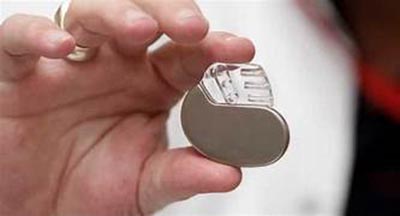
My first reaction was, "Hell, no." Being fairly ignorant about modern pacemakers, I imagined getting cracked open with a rib-splitter for serious surgery, a device the size of a pack of cigarettes installed in my chest, and a long recovery right in the middle of the busiest time of year, with eighty-five summer shows still ahead of me. I also thought to myself: I'm still pretty healthy. I'm not an old man. This is not what I want or need.
Then I remembered I was seventy-three — I had already outlived my parents by twenty-three years, and I was about as close to being an "old man" as I wanted to admit. I mulled it all over, then looked at my wife and saw the fear, the love, and the thought that I could have left this mortal plane just a few hours earlier. I turned back to the doctor and said, "Take me in, hook me up, and let's fix this problem."
I spent the night alone, but the nursing staff checked in on me several times and kept me comfortable. I was nervous and didn't sleep well, but I was also excited to think we might finally fix this for good. The procedure itself took no more than twenty minutes, was completely painless, and simply involved a small pacemaker device inserted under the skin, with an electrical lead running to my heart.
I was lightly sedated but fully conscious through the whole thing, and could hear the doctors going about their work. The pacemaker itself was a small device with a battery good for the next fifteen years.
I went home that afternoon feeling pretty darn good, all things considered, and relieved to know that whatever the cause was, it would never affect me again.
All that was left to do was wait for the medical bills to start rolling in. A couple of weeks later, they began landing in our mailbox nearly every day.
| Service | Charge | Owed | Service | Charge | Owed |
|---|---|---|---|---|---|
| Ambulance | $3,847.81 | $290.00 | Outpatient Checkup | $876.00 | $130.05 |
| Wound Repair? | $3,244.00 | $40.00 | Pacemaker Analysis | $282.00 | $25.00 |
| Outpatient & ECG | $1,124.00 | $0 | X-Rays (2) | $62.00 | $0 |
| Pacemaker Insertion | $1,977.00 | $0 | Doctor, Hospital Visit | $746.00 | $0 |
| Anesthesia | $209.00 | $0 | Doctor, Discharge Visit | $462.00 | $0 |
| Hospital Inpatient | $55,359.33 | $300.00 | TOTALS | $68,189.14 | $785.05 |
The medical, hospital, and health insurance systems in the United States have plenty of problems, but my experience that summer was pretty damn amazing. I received first-class care and treatment, along with every follow-up appointment and consultation, through Medicare — totaling more than $68,000, of which I was required to pay just $785.05.