The “No Kings” Protests
movement
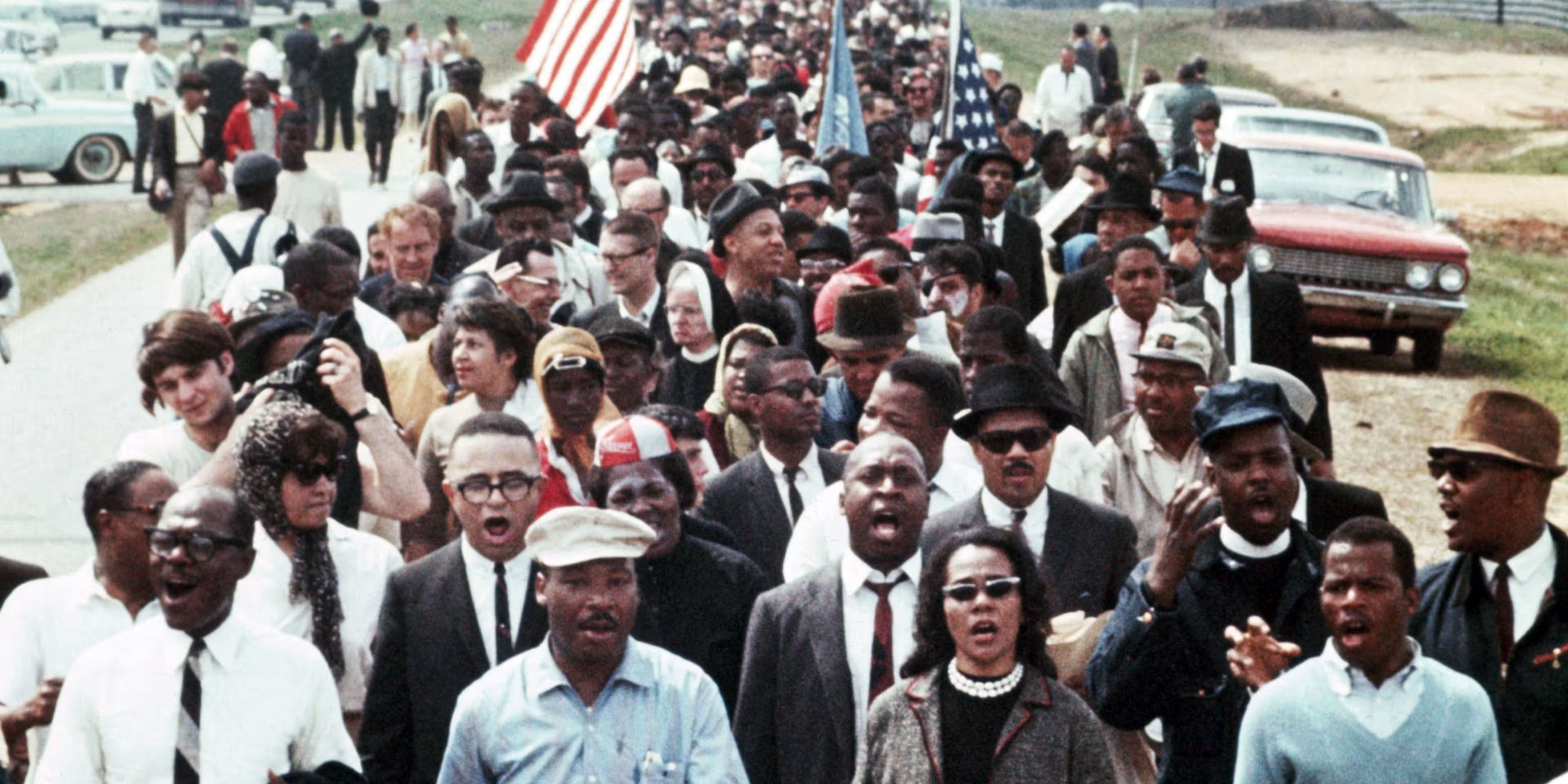
If you're old enough to remember the protest marches of the 1960s, you remember a time when prejudice, racial discrimination and violence against minorities were a dominant part of American culture. Black Americans were being lynched, attacked by police dogs, shot in the streets, killed when their churches were bombed, and arrested and jailed across the country.
In response, the great civil rights organizations united with the Reverend Dr. Martin Luther King Jr. to march and protest peacefully across America, demanding equal rights and an end to violence and discrimination against racial minorities:
March 28
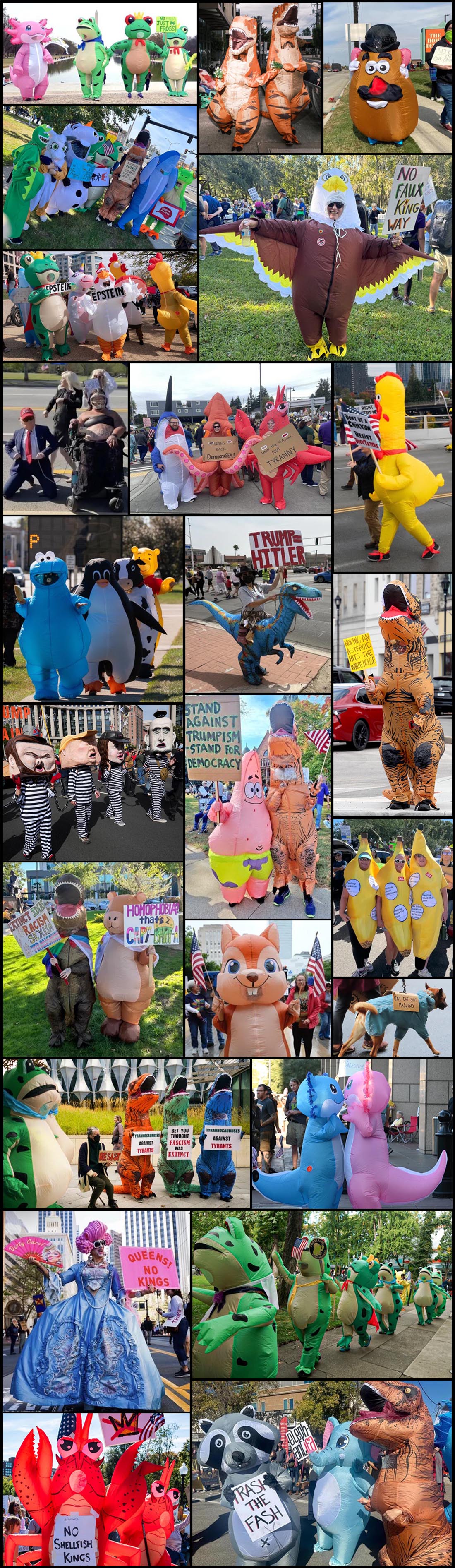
Some sixty years later, on a single Saturday, millions of Americans marched against President Trump and the federal government. The trigger was immigration enforcement: federal agents carrying out laws passed by Congresses of both parties over many decades, with the administration saying its priority was deporting criminals — violent offenders, human traffickers, sex offenders and drug dealers.
Here is how many of the marchers chose to make their point…
- The 8 million figure comes from the organizers. There's no independent count, and organizer estimates for big marches usually run high. Even so, it was one of the largest single days of protest in U.S. history, and reports describe the marches as overwhelmingly peaceful.
- Who was actually arrested. The administration said it was prioritizing criminals, but during Minnesota's “Operation Metro Surge” (December 2025 to February 2026), federal data released in March showed fewer than one in four of the roughly 3,800 people arrested had a criminal record.
- Why Minnesotans marched. During that operation, federal agents shot and killed two U.S. citizens in Minneapolis: Renée Good on January 7 and Alex Pretti, a VA intensive care nurse, on January 24. Both deaths were major reasons people here took to the streets.