Same Soda, Four Names
I first came across Sierra Mist on a Delta flight years ago — it was their lemon-lime offering, poured off the beverage cart alongside the usual Pepsi products, which tells you it wasn't some regional afterthought. It had real marketing muscle behind it. I liked it, kept drinking the diet version for years afterward, and then one day it just... wasn't Sierra Mist anymore. It became something called Mist Twst for a while. Then it was Sierra Mist again. Then it disappeared entirely and came back as Starry, which is what you'll find in stores today.
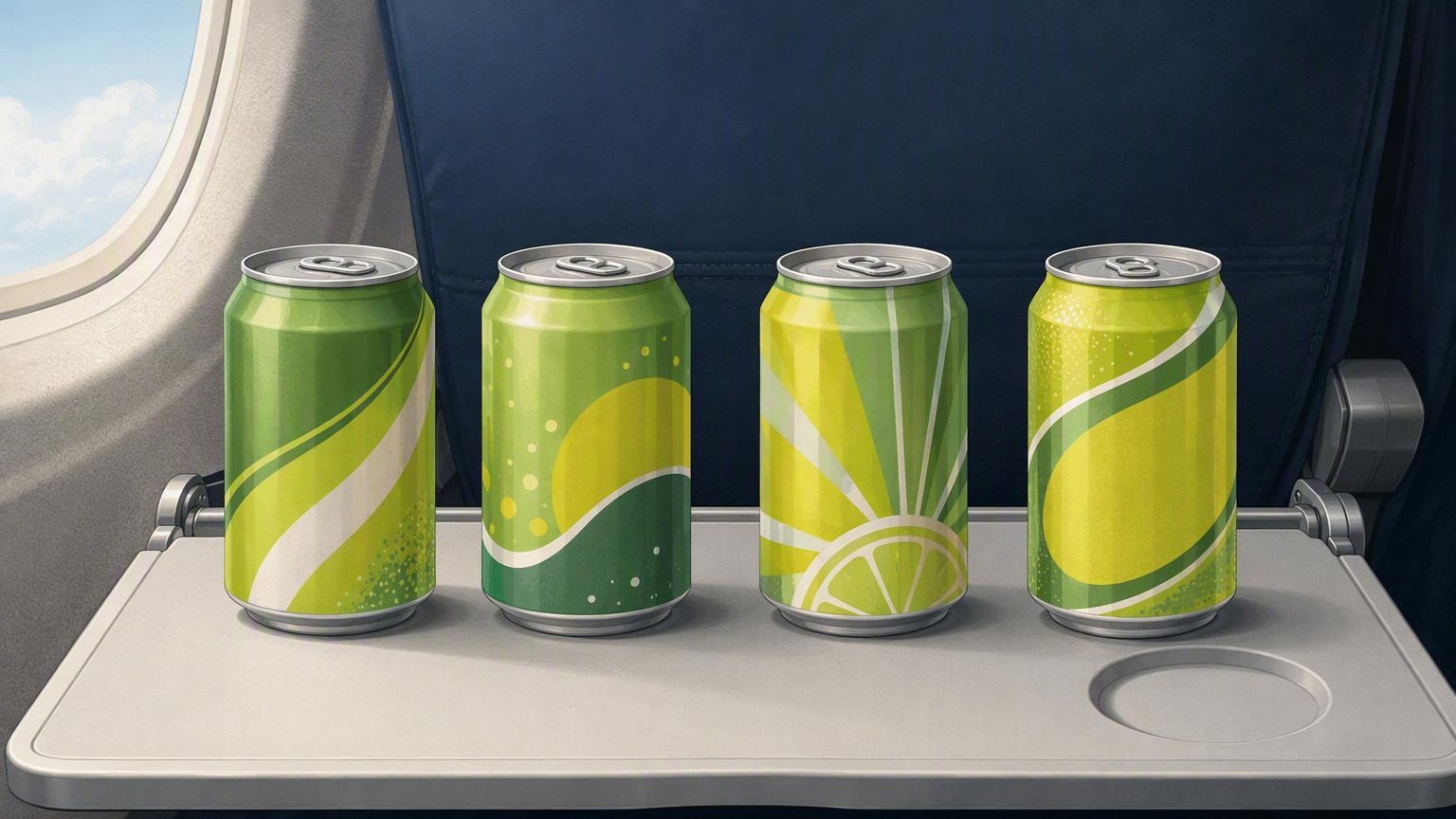
Same clear color, same lemon-lime flavor, same general packaging energy the whole time. So what was actually going on? I asked, expecting some hedge-fund-shuffles-the-portfolio story. The real answer turned out to be simpler, and a little sadder for the brand: it just never worked.
A Brand That Never Found Its Footing
PepsiCo launched Sierra Mist in 1999 specifically to compete with Coca-Cola's Sprite. By the time it was finally discontinued in January 2023, it held less than 1% of the lemon-lime soda market — after twenty-four years of trying. That's the whole story in one sentence: not a scandal, not a hostile takeover, just a product that never found real traction against an entrenched competitor, no matter how many times the company tried to refresh it.
1999–2010: Sierra Mist launches, sweetened with high-fructose corn syrup.
2010–2016: Reformulated with real cane sugar, chasing the "natural" health trend.
2016–2018: Renamed "Mist Twst," switched back to high-fructose corn syrup.
2018–2023: Reverts to the Sierra Mist name, back to cane sugar again.
January 2023: Discontinued entirely, replaced by an all-new product: Starry.
Four sweetener swaps and a name change in the middle, all in about a decade and a half. That's not the profile of a company protecting a beloved brand — it's the profile of a company that kept hoping the next tweak would finally be the one that worked.
Why the Diet Version Never Seemed to Change
Here's the part that actually answers my own question. While the regular, sugared version was getting reformulated over and over, the diet version I was actually drinking sat comparatively untouched. Sierra Mist Zero Sugar ran continuously from 2000 to 2016, and again from 2018 to 2023, with only one brief detour under the name "Sierra Mist Free" from 2004 to 2008. All of that sweetener-swapping and rebranding chaos was happening on the sugar side of the family. My side of the family was left largely alone.
The one real exception came with Starry itself in 2023, when the diet formula actually did change — switching to a new blend of three sweeteners (aspartame, acesulfame potassium, and sucralose) in place of whatever Diet Sierra Mist had been using. So if anything about the current version tastes even slightly different to you, that's the one legitimate place in twenty-five years where the diet formula was genuinely touched.
One Fun Aside
When Starry launched, a rumor went viral claiming PepsiCo had been legally forced to change the name after a trademark dispute with a TikTok creator whose online handle happened to be a near-match for the old brand name. It's a great story. It also isn't true — she did receive a cease-and-desist letter over the similarity, but no lawsuit forced anyone's hand. The real reason was simply years of sales that never caught up to Sprite.